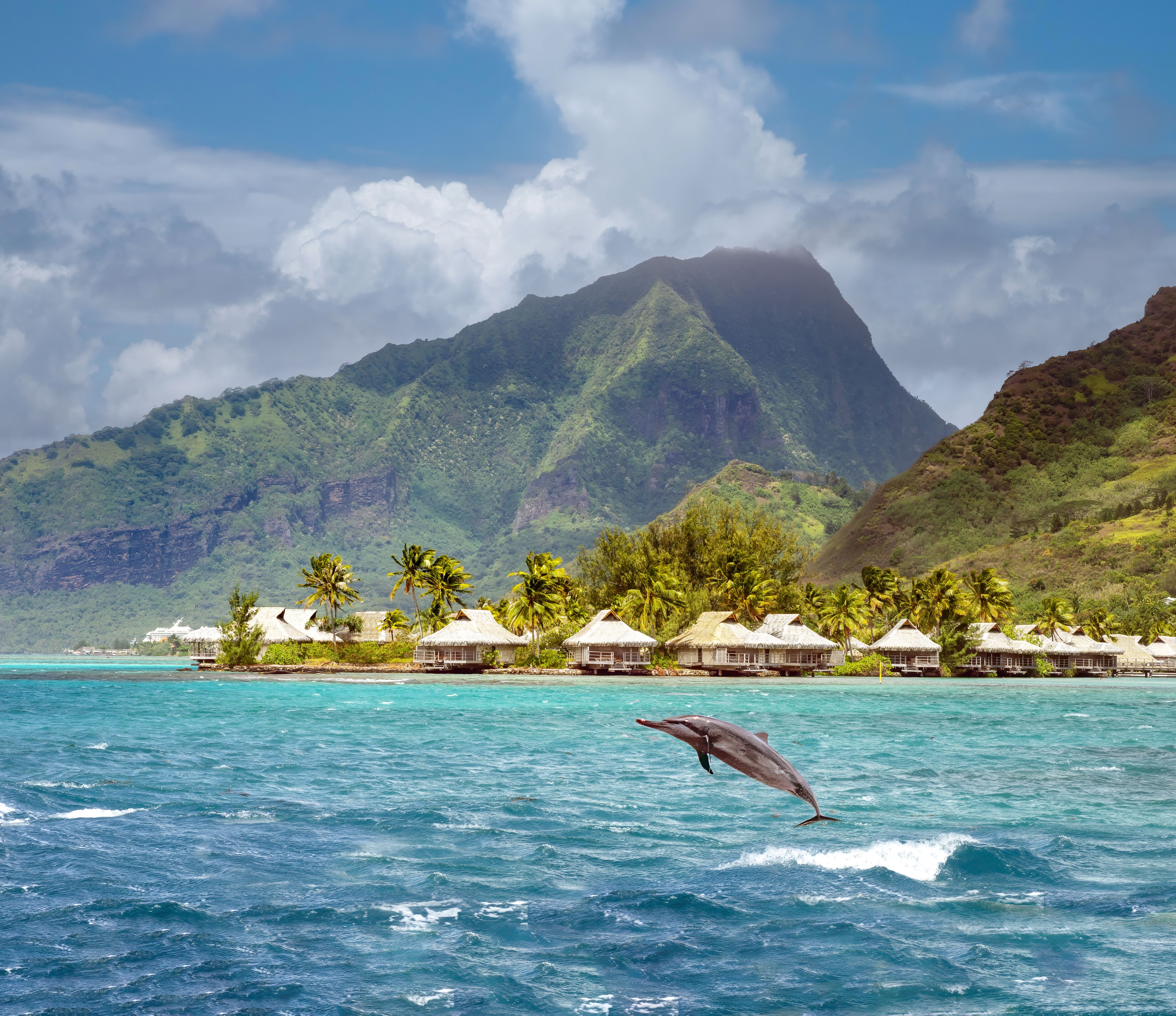
Top Tips for Capturing Stunning Underwater Photos on Your Dolphin Safari


Understanding Your Equipment
When embarking on a dolphin safari, it's essential to familiarize yourself with the equipment you'll be using. Whether it's a high-end DSLR with an underwater housing or a simple waterproof camera, knowing your gear's capabilities can make a significant difference in your photos. Consider investing in a camera with a wide-angle lens to capture the expansive underwater scenes.
Make sure to test your equipment before the safari. Check for any leaks in your underwater housing and ensure all settings are correctly adjusted for underwater conditions. This preparation can prevent any mishaps that might hinder your photography experience.
Mastering the Art of Lighting
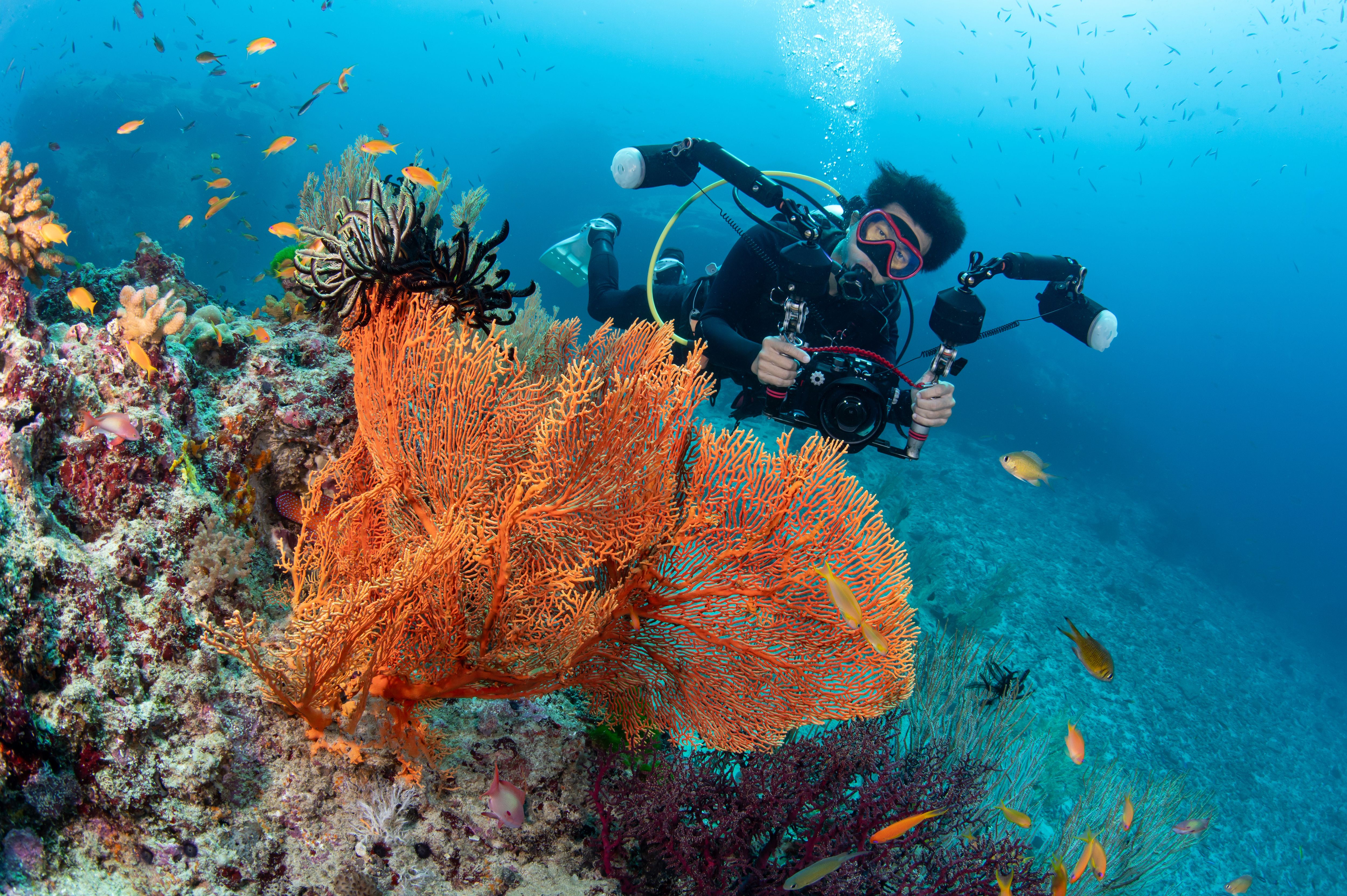
Lighting plays a crucial role in underwater photography. Natural light is often insufficient as you dive deeper, leading to an increase in blue hues. To counteract this, consider using a strobe or an external flash to bring out the vibrant colors of the ocean and its inhabitants.
Position your light source at an angle to reduce backscatter, which are those pesky particles that can appear in your images. Experimenting with different lighting positions can help you achieve the desired effect without unwanted distractions.
Approaching Dolphins Respectfully
Dolphins are intelligent and curious creatures, but it's important to approach them with respect and caution. Avoid sudden movements that might startle them. Instead, let them come to you. This patience often results in more natural and captivating photos.
Remember to maintain a safe distance and never try to touch or feed the dolphins. Ethical interaction not only ensures your safety but also promotes responsible wildlife tourism.
Composition Techniques
Composition is key in creating stunning underwater photos. Use the rule of thirds to add balance and interest to your images. Position your subject off-center to create a more dynamic composition.
Incorporate elements of the underwater environment, such as coral reefs or bubbles, to add depth and context to your photos. This can enhance the storytelling aspect of your images, making them more engaging to viewers.
Post-Processing Tips
Even the best underwater photos can benefit from some post-processing. Use software like Adobe Lightroom or Photoshop to adjust color balance, contrast, and sharpness. Enhancing these elements can bring your images to life and reveal details that might have been lost underwater.
Be mindful not to over-edit. The goal is to enhance the natural beauty of your photos while maintaining their authenticity. Subtle adjustments often yield the best results.
Practice and Patience
Like any form of photography, capturing stunning underwater photos requires practice and patience. Spend time experimenting with different settings, angles, and techniques. The more you practice, the more you'll understand how to work with the unique challenges of underwater photography.
Remember, not every photo will be perfect. Learn from each experience and enjoy the process of capturing the mesmerizing world beneath the waves.