Spotlight on Spinner Dolphins: Fascinating Facts and Conservation Efforts


Introduction to Spinner Dolphins
Spinner dolphins are among the most captivating marine mammals, known for their acrobatic displays and social behavior. These dolphins are named for their unique ability to spin multiple times in the air, a spectacle that leaves observers in awe. Found in tropical and subtropical oceans worldwide, they play a vital role in marine ecosystems.
Physical Characteristics
Spinner dolphins are relatively small, with adults ranging from 1.5 to 2.4 meters in length. They are slender with long, narrow beaks and a distinctive tri-colored pattern consisting of dark gray on the back, lighter gray on the sides, and a white or pinkish belly. This unique coloration helps them blend into their environment, providing camouflage from predators.
Social Structure and Behavior
These dolphins are highly social creatures, often forming groups called pods, which can range from a few individuals to several hundred. Within these pods, spinner dolphins exhibit complex social behaviors, including cooperative hunting and care for the young. Their spinning behavior is not just for show; it is believed to play a role in communication and even parasite removal.
Feeding Habits
Spinner dolphins are nocturnal feeders, primarily consuming small fish and squid. Their hunting strategy involves working together to herd prey into tight balls, making it easier for individuals to capture their food. This cooperative behavior underscores the dolphins' intelligence and adaptability in the wild.
Conservation Status
Despite their wide distribution, spinner dolphins face numerous threats that have led to a decline in their populations. Bycatch in fishing gear, habitat degradation, and marine pollution are significant concerns. The International Union for Conservation of Nature (IUCN) lists them as "near threatened," highlighting the need for conservation efforts.
Current Conservation Efforts
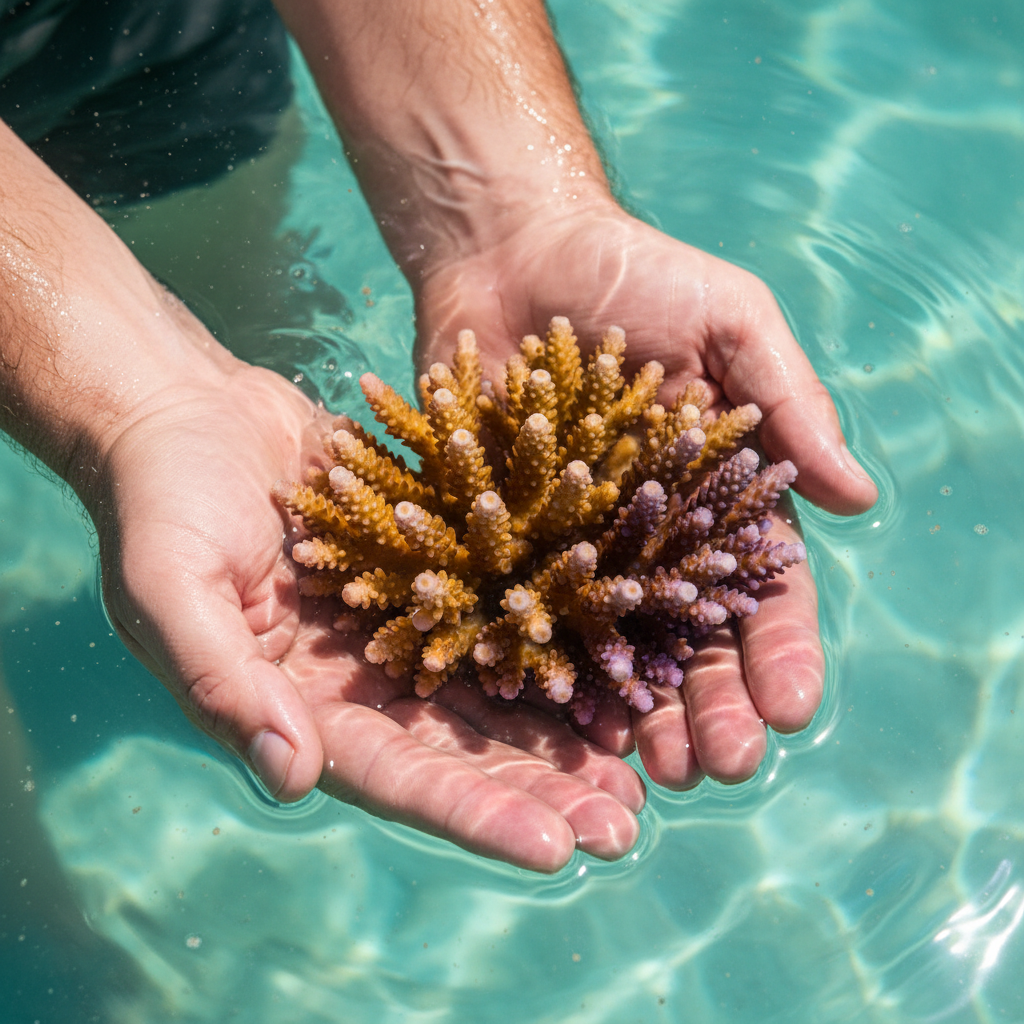
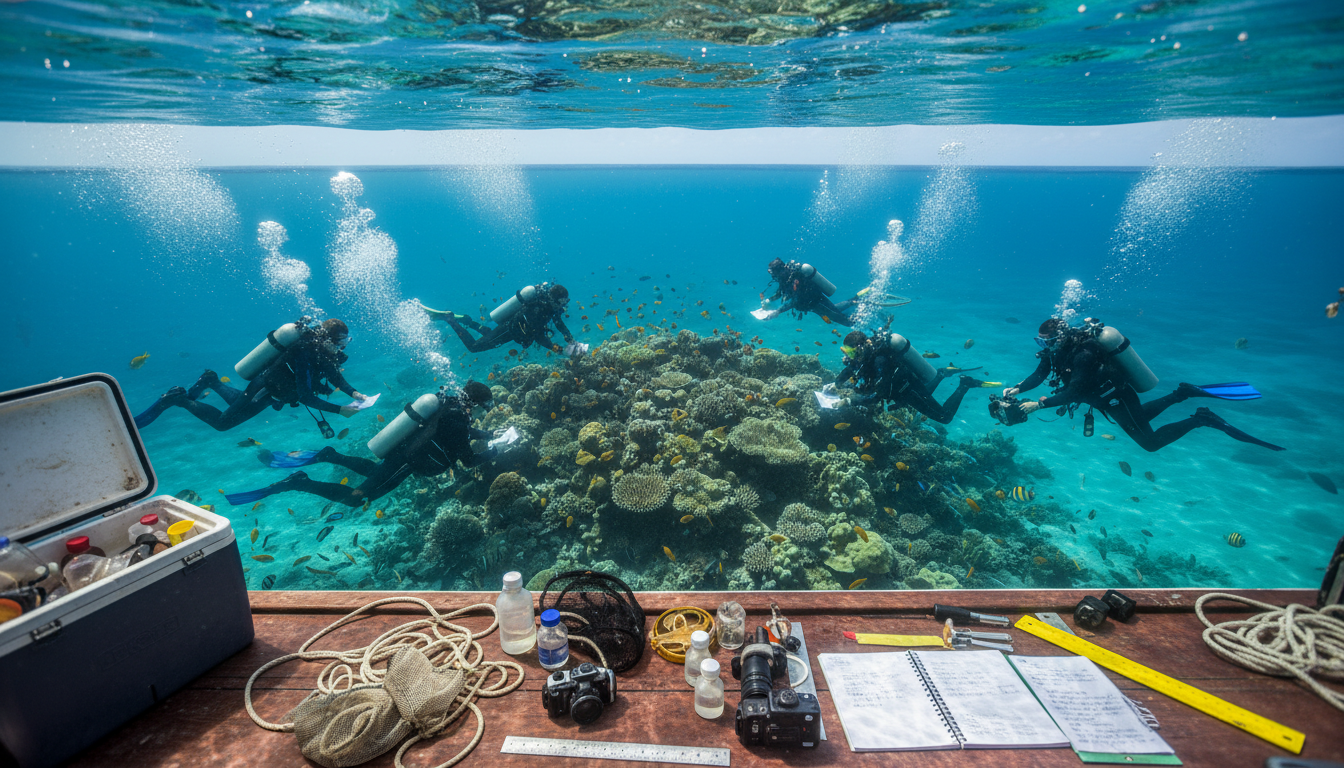
Several organizations are actively working to protect spinner dolphins and their habitats. Efforts include implementing dolphin-friendly fishing practices, establishing marine protected areas, and conducting research to better understand their ecology and behavior. Education and awareness campaigns also play a crucial role in promoting sustainable interactions with these remarkable creatures.
How You Can Help
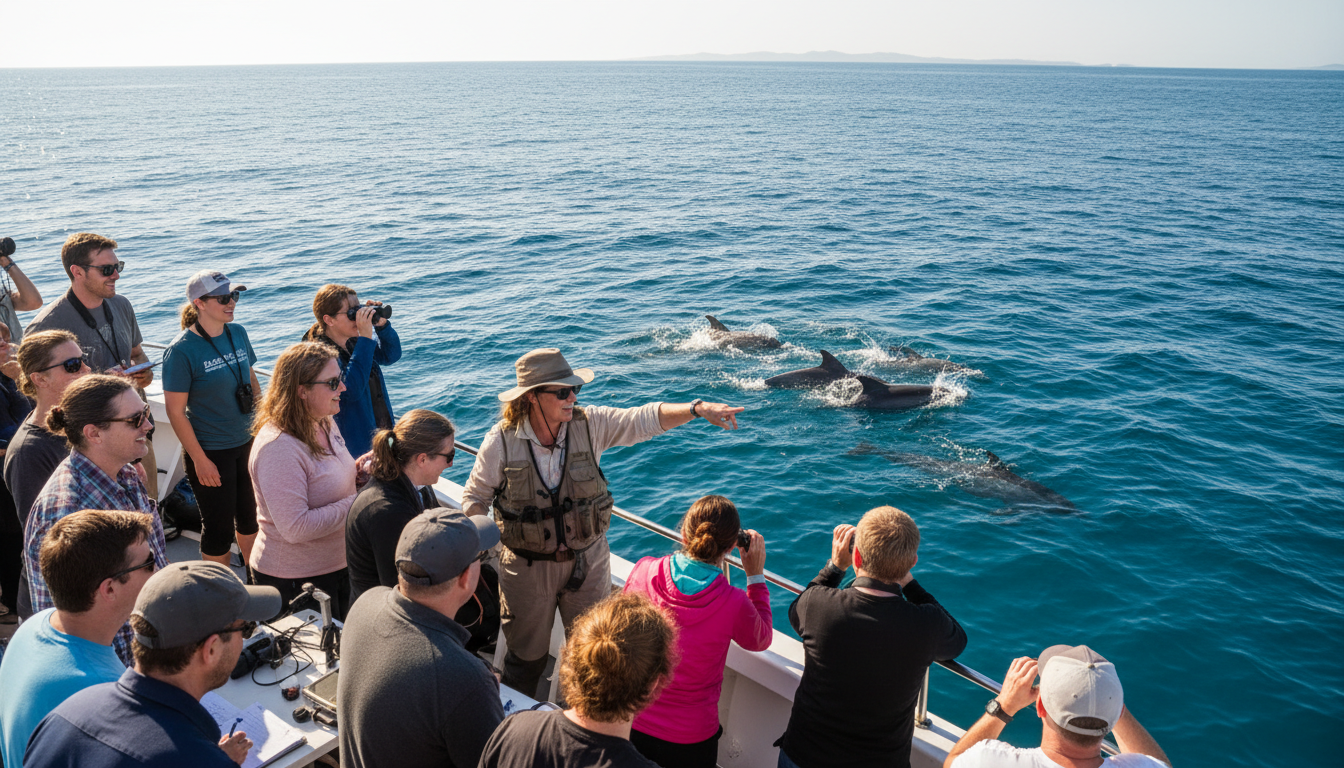
Individuals can contribute to spinner dolphin conservation by supporting organizations dedicated to marine protection, participating in beach clean-ups, and promoting responsible tourism. When observing dolphins in the wild, it is essential to follow guidelines that minimize disturbance to their natural behavior.
By staying informed and taking action, we can help ensure that future generations continue to enjoy the breathtaking beauty of spinner dolphins. Their survival depends on our commitment to preserving the ocean's health and biodiversity.