Myths About Swimming with Dolphins: What You Need to Know


Understanding the Myths
Swimming with dolphins is often seen as a magical experience, but many myths surround this popular activity. Understanding these myths is crucial for ensuring both human safety and dolphin welfare. Let's dive into some common misconceptions and the truths behind them.
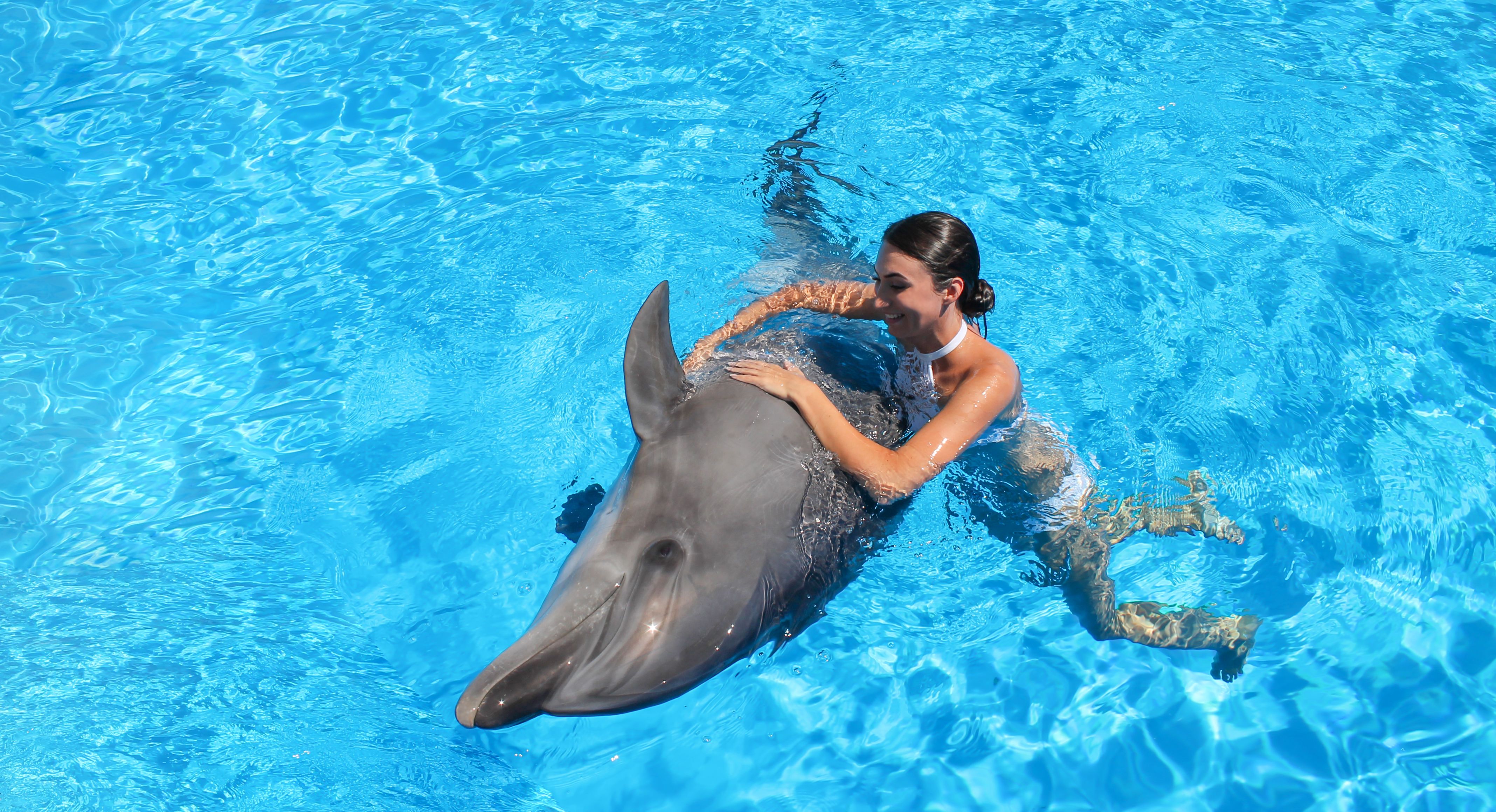
Myth 1: Dolphins Are Always Friendly
One of the most widespread myths is that dolphins are naturally friendly to humans. While dolphins are generally curious and have a reputation for being social, they are still wild animals. Interactions can be unpredictable, and dolphins may feel threatened if they perceive a situation as dangerous. It’s important to approach them with caution and respect.
Experts advise observing dolphins from a distance. This ensures that their natural behaviors are not disrupted, allowing them to live with minimal human interference.
The Reality of Dolphin-Human Interaction
Many believe that dolphins enjoy interacting with humans in all circumstances. However, this isn't entirely accurate. Dolphins in captivity may engage with humans due to training rather than genuine interest. In the wild, their interactions can vary greatly depending on individual personalities and environmental factors.
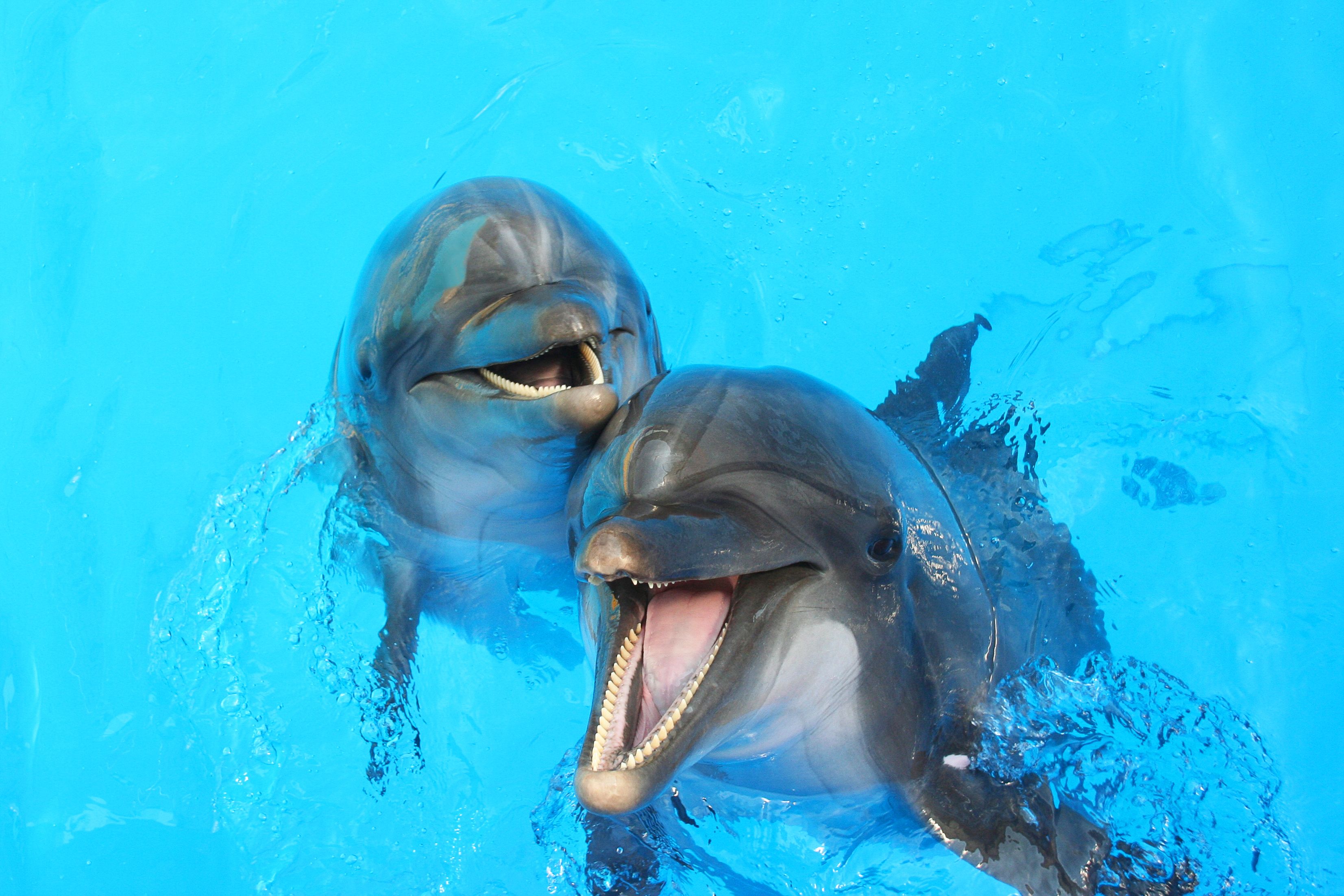
Myth 2: Dolphins Are Always Safe to Swim With
Another common misconception is that swimming with dolphins is entirely safe. While they are intelligent and often gentle creatures, dolphins are large and powerful. Accidental injury can occur if they become startled or agitated. Therefore, it is crucial to follow guidelines provided by experts or tour operators when swimming near them.
The best practice is to participate in ethically managed encounters, which prioritize the well-being of the dolphins and educate participants on safe interaction methods.
Conservation Concerns
Many people are unaware of the conservation issues linked to swimming with dolphins. The demand for dolphin interactions can lead to harmful practices, such as capturing wild dolphins for entertainment purposes. This affects their populations and disrupts their natural habitats.

Myth 3: All Dolphin Experiences Are Ethical
Not all dolphin experiences are created equal. Some facilities prioritize profit over the welfare of the animals. It's essential to research and choose experiences that support dolphin conservation and adhere to ethical standards. Look for certifications or endorsements from reputable wildlife organizations.
By supporting ethical operations, you contribute to the protection and preservation of these intelligent marine mammals.
Conclusion
Swimming with dolphins can be an incredible experience, but it's important to separate myth from reality. By understanding the true nature of these interactions and choosing ethical experiences, you can enjoy this activity responsibly. Remember, the welfare of dolphins should always be a priority, ensuring these magnificent creatures thrive in their natural environments for generations to come.