How to Capture the Perfect Dolphin Photo on a Samara Cruise


Choose the Right Equipment
To capture the perfect dolphin photo on your Samara Cruise, start with the right equipment. A camera with a fast shutter speed and a good zoom lens is ideal for capturing these quick-moving creatures. If you're using a smartphone, ensure it has a high-quality camera and consider using an external zoom lens attachment.
Invest in a camera with a fast autofocus system. Dolphins are unpredictable, so being able to quickly focus can make the difference between a blurry shot and a stunning image.
Understand Dolphin Behavior
Knowing a bit about dolphin behavior can greatly enhance your chances of capturing a great photo. Dolphins often swim in pods, so look for groups of them swimming together. They also tend to follow boats, so keep your camera ready when the boat changes speed or direction.
Observe the water for signs of activity. Dolphins often create splashes and ripples when they surface. Being patient and waiting for these signs can lead to the perfect shot.
Consider the Lighting
Lighting is crucial for photography, and capturing dolphins is no exception. Early morning or late afternoon provides the best natural lighting, offering a softer and more flattering light on the water's surface.
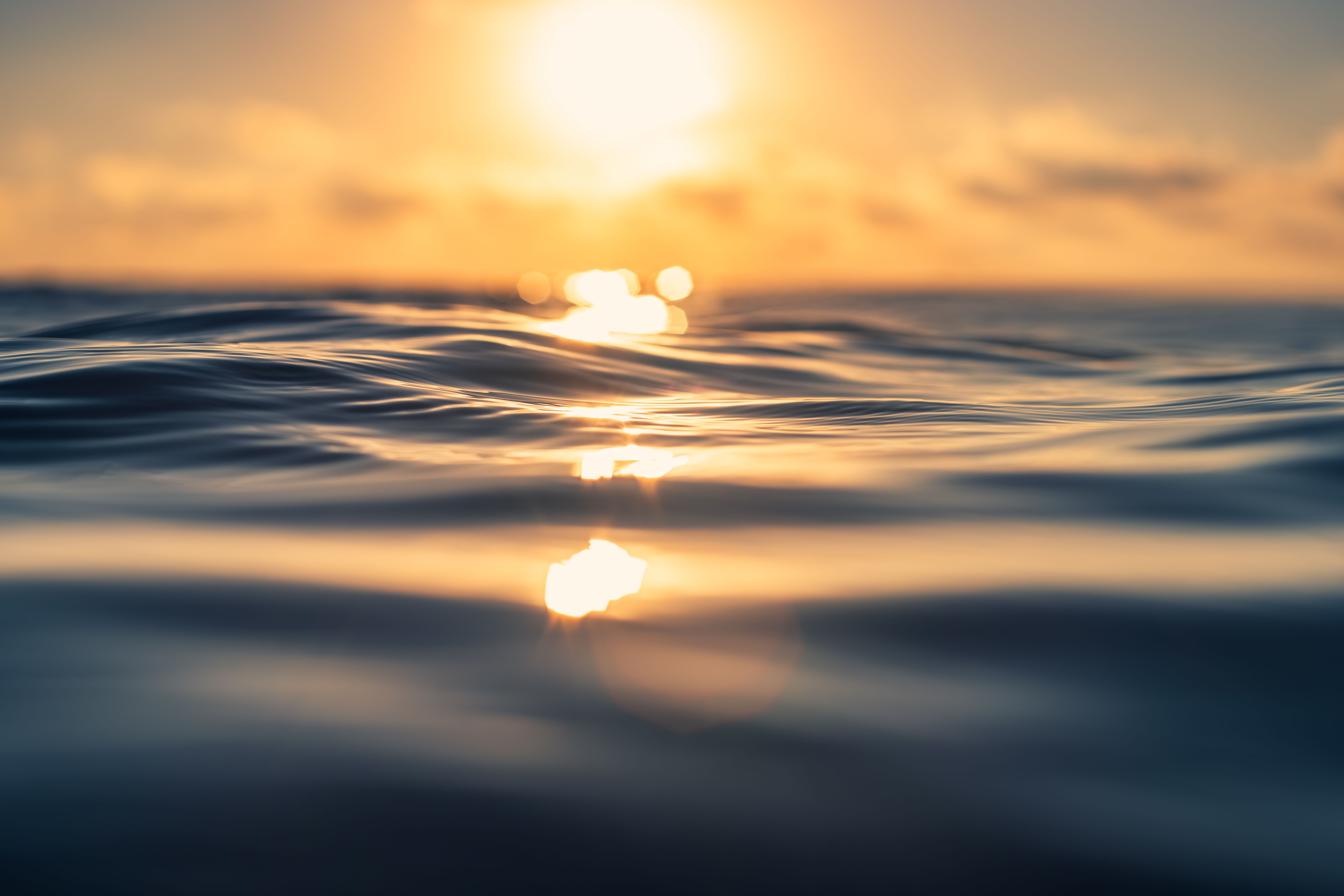
Avoid shooting directly into the sun, as this can create harsh shadows and overly bright highlights. Instead, position yourself so the sun is behind or to the side of you.
Use the Right Settings
Adjust your camera settings to suit the fast-paced nature of dolphin photography. Use a fast shutter speed to freeze the motion of the dolphins as they swim and jump. Setting your camera to burst mode can also help you capture multiple frames in quick succession, increasing your chances of getting the perfect shot.
If you're shooting with a DSLR, consider using aperture priority mode to maintain control over the depth of field. This allows you to keep the dolphins in focus while creating a beautiful blur in the background.
Stay Steady
Stability is key when photographing from a moving boat. A tripod or monopod can help steady your camera, reducing the risk of blurry images. If that's not an option, try to stabilize yourself by leaning against a solid surface on the boat.
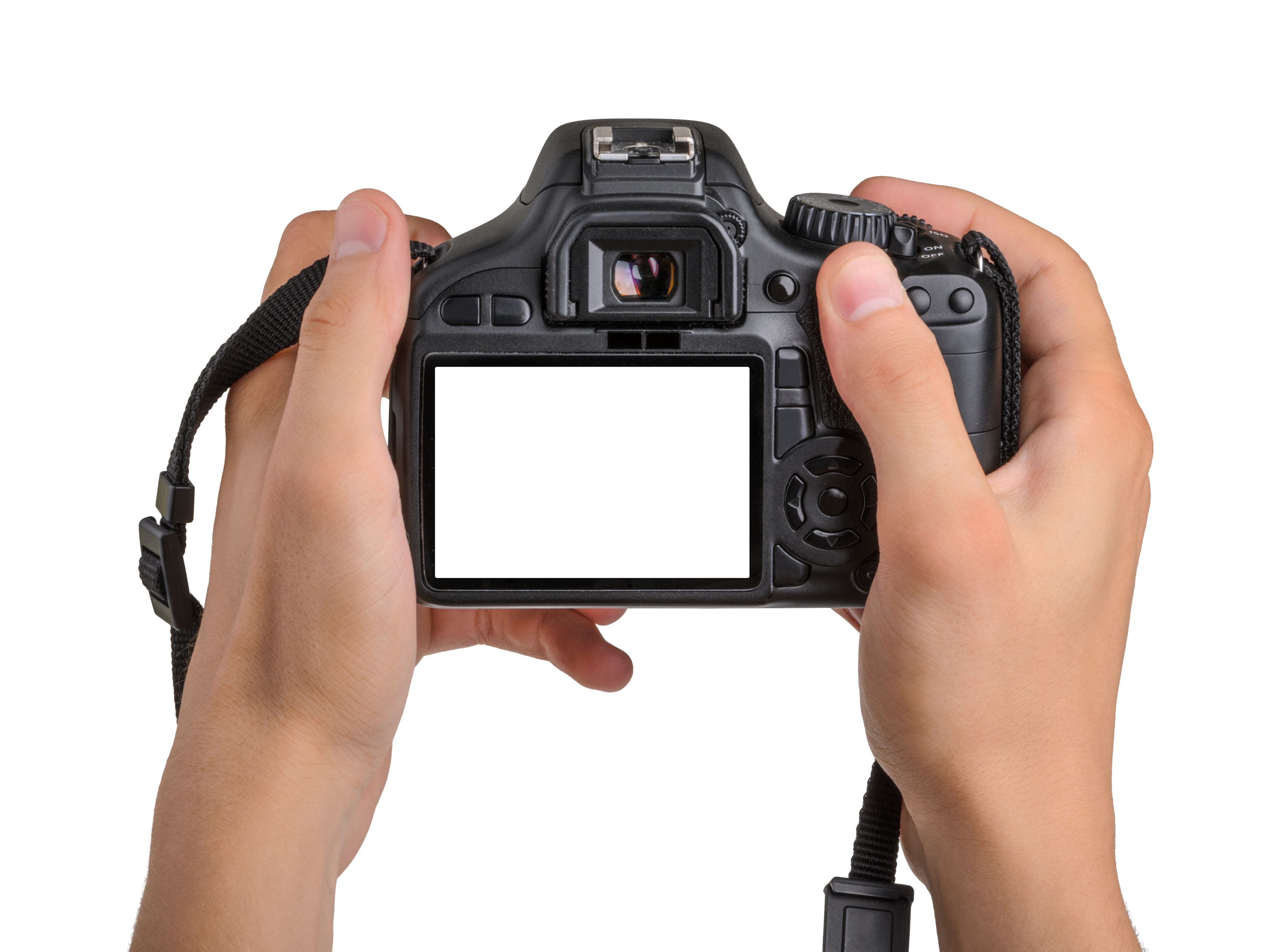
Keep your camera strap secure around your neck or wrist to avoid any accidents, especially when moving around the boat for the best shot.
Practice Patience and Persistence
Capturing the perfect dolphin photo requires patience and persistence. Dolphins may not appear right away, and conditions such as weather or sea state can affect your ability to photograph them. Keep your camera ready and be prepared to wait for the right moment.

Remember that each outing is unique, and part of the joy of photographing dolphins is the experience of being out on the water and observing these magnificent creatures in their natural habitat.
Edit Your Photos
Once you've captured your photos, spend some time editing to enhance their quality. Use photo editing software to adjust brightness, contrast, and colors. Cropping can also help improve the composition, drawing more attention to the dolphins.
Editing can turn a good photo into a great one, allowing you to highlight the beauty and elegance of dolphins as they move through the water.
Share Your Experience
After your cruise and photo editing session, share your favorite images with family and friends. Consider posting them on social media or photography forums to connect with others who share your passion for wildlife photography.

Sharing your photos not only allows you to relive the experience but also inspires others to appreciate and protect these incredible marine animals.