How to Capture Amazing Underwater Photos While Swimming with Dolphins


Understanding the Basics of Underwater Photography
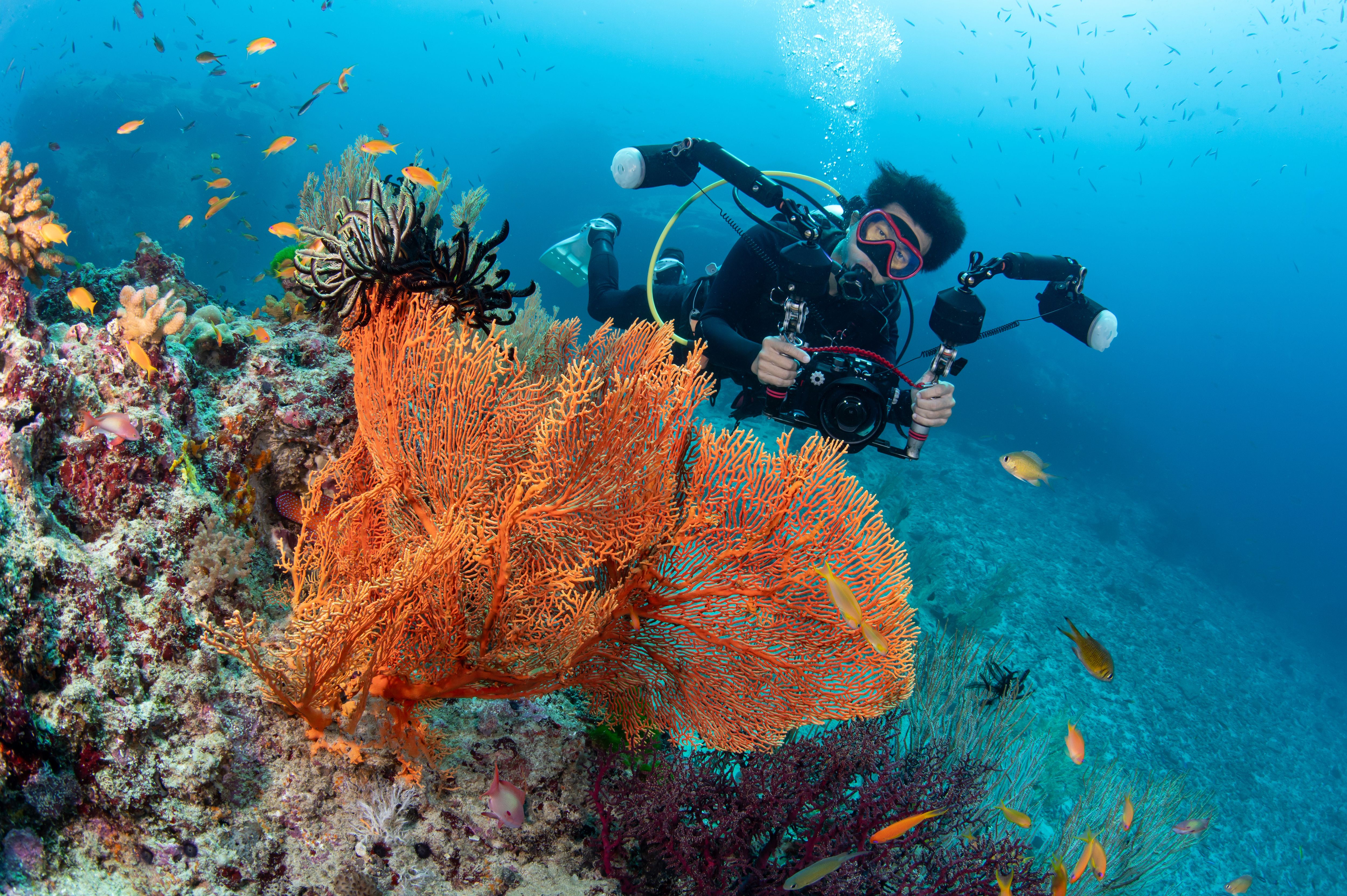
Capturing underwater photos while swimming with dolphins can be an exhilarating experience. However, it's essential to understand the basics of underwater photography to achieve stunning results. Start by investing in a good underwater camera or a waterproof housing for your existing camera. Ensure that your equipment is rated for the depths you plan to explore.
Lighting is crucial underwater. Natural light diminishes quickly as you go deeper, so try to shoot in shallow waters where the sunlight can enhance your photos. If you're diving deeper, consider using an underwater flash or strobe to illuminate your subjects.
Preparing for Your Dolphin Encounter
Before you dive in, take some time to prepare for your dolphin encounter. Research the behavior and habits of dolphins to anticipate their movements. This knowledge will help you position yourself effectively to capture those perfect shots.
Consider the ethical aspects of swimming with dolphins. Always maintain a respectful distance and avoid disturbing their natural behavior. Use a snorkel or dive quietly to minimize disruption and ensure a more authentic and rewarding experience.
Composition Tips for Stunning Images
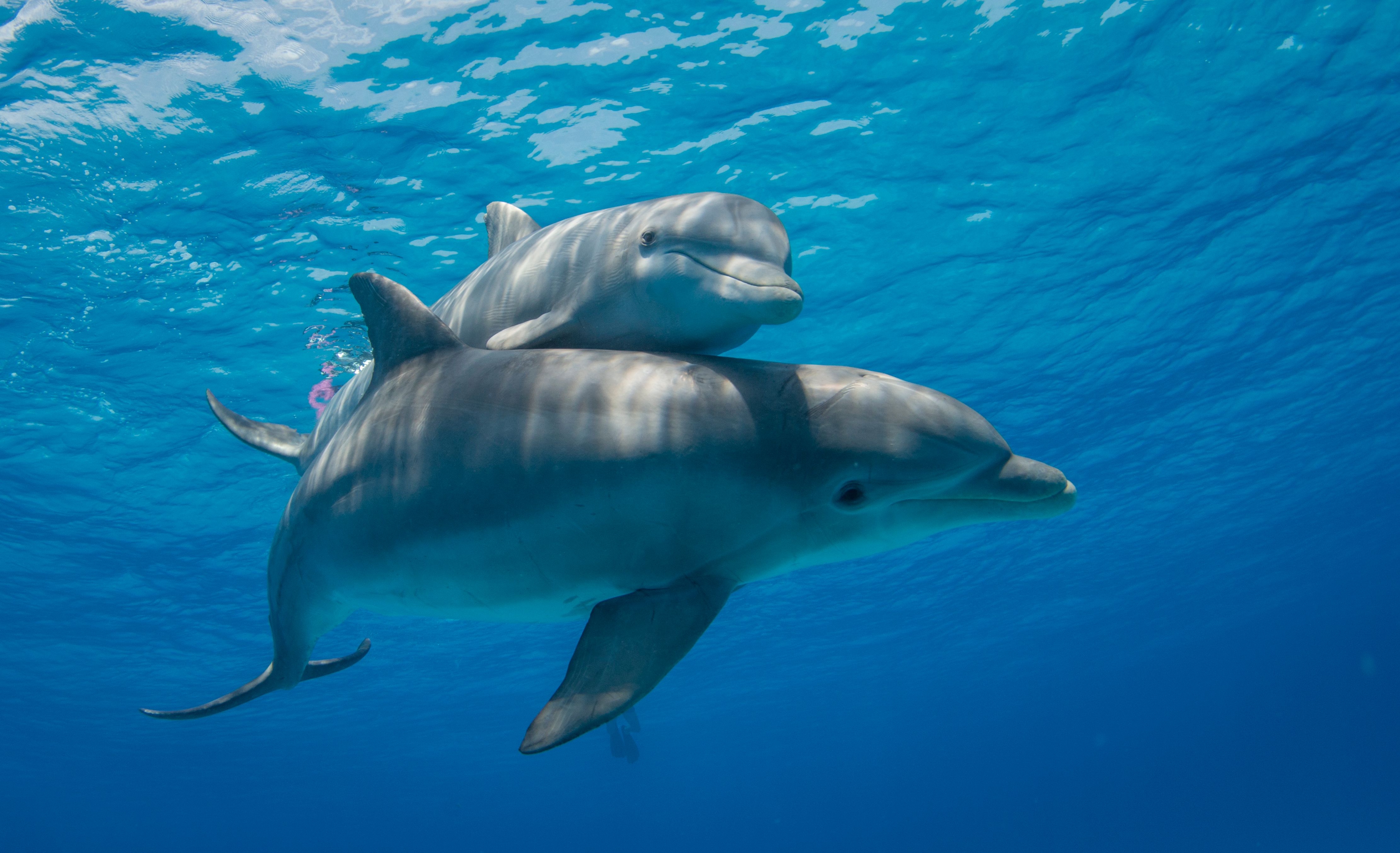
Composition plays a significant role in creating captivating underwater images. Use the rule of thirds to frame your shots, and look for interesting angles that showcase the grace and beauty of the dolphins. Capture their playful interactions and dynamic movements for a more engaging composition.
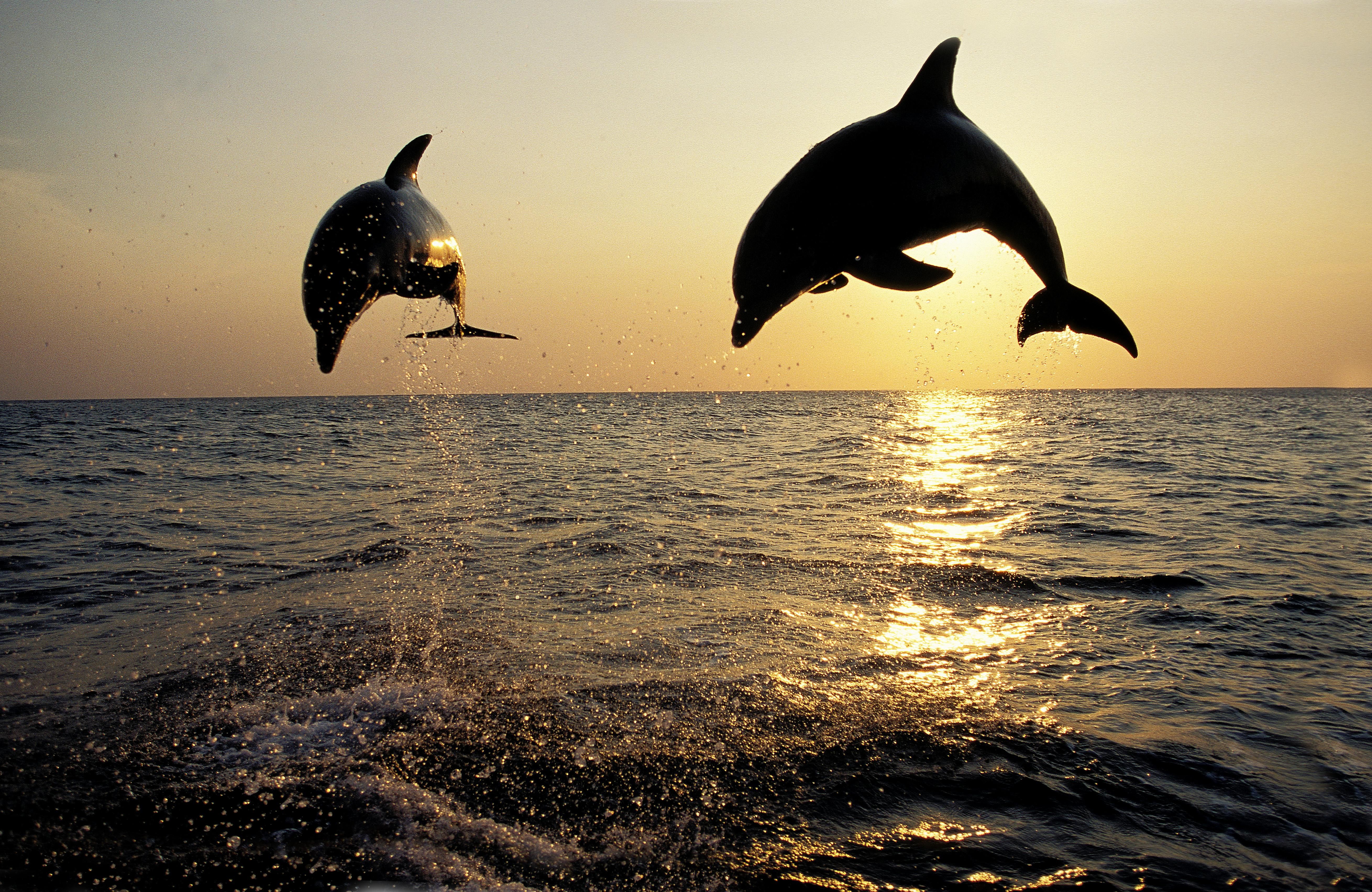
Incorporate elements of the underwater environment, such as coral reefs or seaweed, to add depth and context to your photos. Experiment with different perspectives, such as shooting upwards toward the surface, to capture the dolphins silhouetted against the sunlight.
Mastering Camera Settings
Adjusting your camera settings is crucial for capturing clear and vibrant underwater photos. Set your camera to a fast shutter speed to freeze the swift movements of the dolphins. A speed of 1/250 second or faster is recommended to avoid motion blur.
Use a wide aperture to allow more light into the camera, and adjust the ISO to compensate for low-light conditions. Remember to shoot in RAW format if possible, as this will give you more flexibility in post-processing.
Post-Processing for Perfection
Once you've captured your photos, post-processing can enhance their quality. Use software like Adobe Lightroom or Photoshop to adjust the brightness, contrast, and color balance. Pay special attention to the blues and greens to bring out the natural tones of the underwater environment.
Cropping and straightening your images can also improve composition. Don't hesitate to experiment with filters and effects to achieve the desired artistic look while maintaining the authenticity of the moment.

Safety Tips and Final Thoughts
Remember that safety should always come first when swimming with dolphins and taking underwater photos. Stay aware of your surroundings and the behavior of the dolphins. Always have a buddy with you, and make sure you're comfortable with your equipment before entering the water.
With preparation, patience, and practice, you can capture breathtaking underwater photos that showcase the beauty and wonder of swimming with dolphins. Enjoy the experience and let your creativity shine through in your images.