Debunking Myths: What You Need to Know About Dolphin Tours


Understanding Dolphin Tours
Dolphin tours have become a popular attraction for tourists seeking to experience marine life up close. However, many myths and misconceptions surround these tours, often leading to confusion. In this post, we'll debunk some of these myths and provide you with accurate information to enhance your understanding of dolphin tours.

Myth 1: Dolphin Tours Are Harmful to Dolphins
One common myth is that dolphin tours harm dolphins by disrupting their natural habitat. While it is crucial to choose a responsible tour operator, many are committed to ethical practices. These operators follow guidelines to ensure minimal impact on dolphins, such as maintaining a safe distance and limiting the number of boats in a given area.
Organizations often work with marine biologists to monitor dolphin populations and behaviors, ensuring that tours contribute to conservation efforts rather than hinder them. By choosing certified operators, you can enjoy a dolphin tour while supporting marine conservation.
Myth 2: Dolphins in Tours Are Captive
Another misconception is that dolphins encountered on tours are captive. Most reputable dolphin tours are conducted in the wild, allowing you to observe dolphins in their natural environment. These tours offer a unique opportunity to see how dolphins interact with each other and their surroundings.

When booking a tour, look for operators that emphasize natural encounters and avoid those that offer interactions with captive dolphins. This ensures a more authentic and ethical experience.
Myth 3: All Dolphin Tours Are the Same
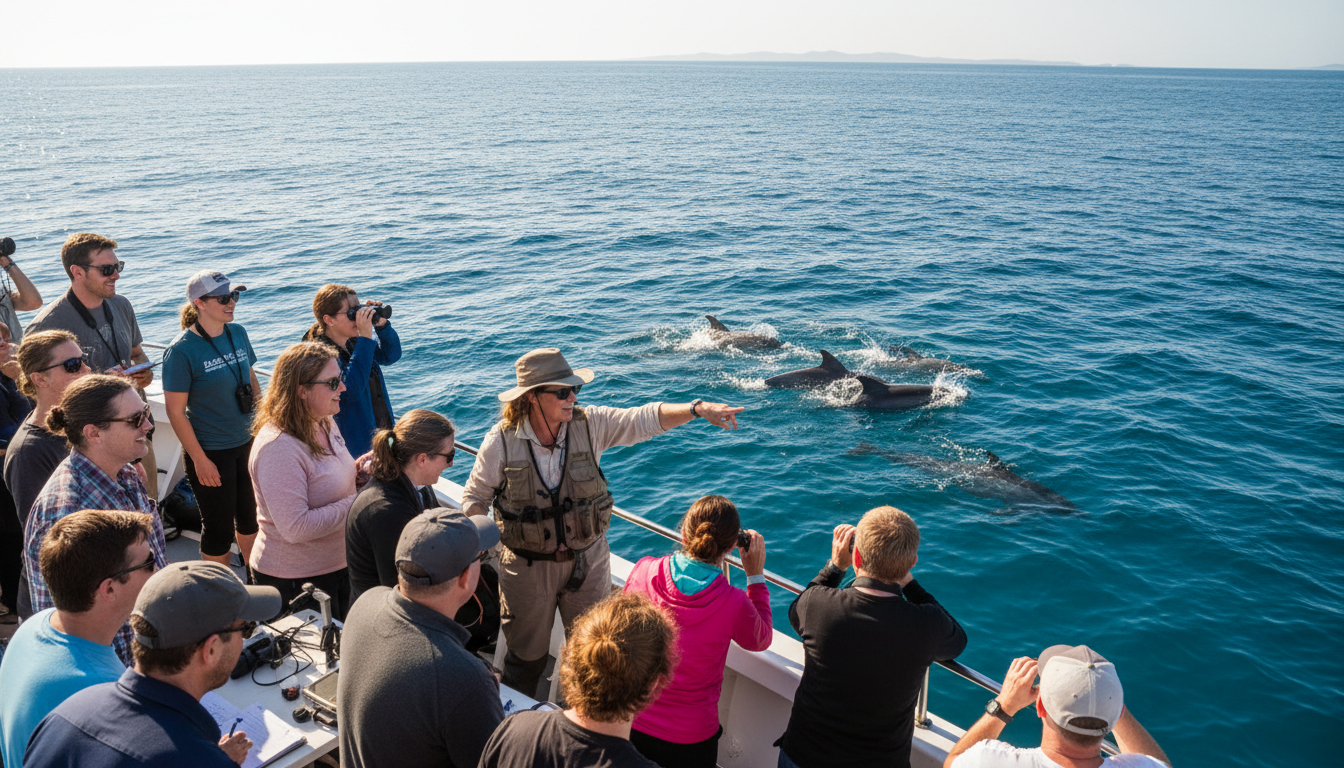
Many people believe that all dolphin tours offer the same experience, but this is far from true. Tours can vary significantly based on location, the type of vessel, and the expertise of the guides. Some tours focus on education and conservation, providing insights into dolphin behavior and ecosystem health.
- Eco-friendly tours prioritize sustainability and education.
- Adventure tours might include activities like snorkeling or kayaking.
- Family-friendly tours are designed to be safe and engaging for children.
Myth 4: Dolphins Are Always Friendly
It's a common belief that dolphins are inherently friendly and eager to interact with humans. While dolphins are intelligent and social animals, they are still wild creatures and should be treated with respect. Responsible operators educate tourists on how to observe dolphins without disturbing them.
Understanding dolphin behavior can lead to more respectful interactions, ensuring that both humans and dolphins remain safe and comfortable.
Choosing the Right Dolphin Tour
When selecting a dolphin tour, research is key. Look for operators with positive reviews, certifications from marine conservation organizations, and a commitment to ethical practices. By debunking these myths and choosing wisely, you can enjoy a memorable and responsible dolphin tour experience.